Available 24 hours / 7 Days a Week
Email: info@senftlegal.com
Flood damage is stressful. Getting answers about your insurance shouldn’t be. Fill out the form or call Senft Legal for a free review of your flood damage insurance claim. Calls answered 24/7.
We’ll review your case at no cost to you, including a free on-site inspection and policy review. You’ll understand your rights, possible outcomes, and the best course of action moving forward.

We'll gather all necessary evidence to build a strong claim. Depending on where you are in the process, an experienced field adjuster will accurately asses the damage. Thereafter, we’ll file a claim with your insurance company.

We’ll review and negotiate their offer. If a fair settlement isn't reached, whether the claim is underpaid or outright denied, we'll take your case to trial and fight for the compensation you deserve.

We’ll work tirelessly to help you pursue compensation you're legally entitled to so you can focus on moving forward with your life.

Prioritize safety and report the loss to your insurer promptly. When safe, photograph the affected rooms and belongings, make a list of damaged items, and keep receipts for emergency work. Save your policy and all claim correspondence so a flood damage lawyer can review the situation.
Most homeowners policies exclude flood damage from rising surface water or storm surge. You generally need separate flood insurance or an applicable endorsement. Burst pipes and roof leaks may involve different coverage, so the source of the water matters.
A flood insurance lawyer can review your coverage, explain the insurer’s decision, identify deadlines, and assess the evidence supporting your claim. If representation is appropriate, an attorney can help challenge disputed estimates or denials and pursue available legal options.
National Flood Insurance Program policies follow federal rules, even when issued through a participating private insurance company. Separate private flood policies can have different benefits, exclusions, and claim requirements. Reviewing the policy itself is the best way to identify which rules apply.
You may have options. Start by reviewing the written decision alongside your policy and damage documentation. Eligible NFIP denials can be appealed to FEMA within 60 days of the denial letter’s date. Private flood disputes follow the applicable policy and law rather than FEMA’s NFIP appeal process.
Reporting, proof-of-loss, appeal, and lawsuit requirements have separate deadlines. For NFIP claims, an eligible FEMA appeal generally must be filed within 60 days of the denial letter’s date. A lawsuit generally must be filed within one year of the insurer’s first written denial of all or part of the claim. Filing an appeal does not extend the lawsuit deadline. Have your documents reviewed promptly.
Share your property’s city or ZIP code, your policy information, and a brief description of the dispute. We’ll confirm whether we can assist with your location and claim type during the initial review.
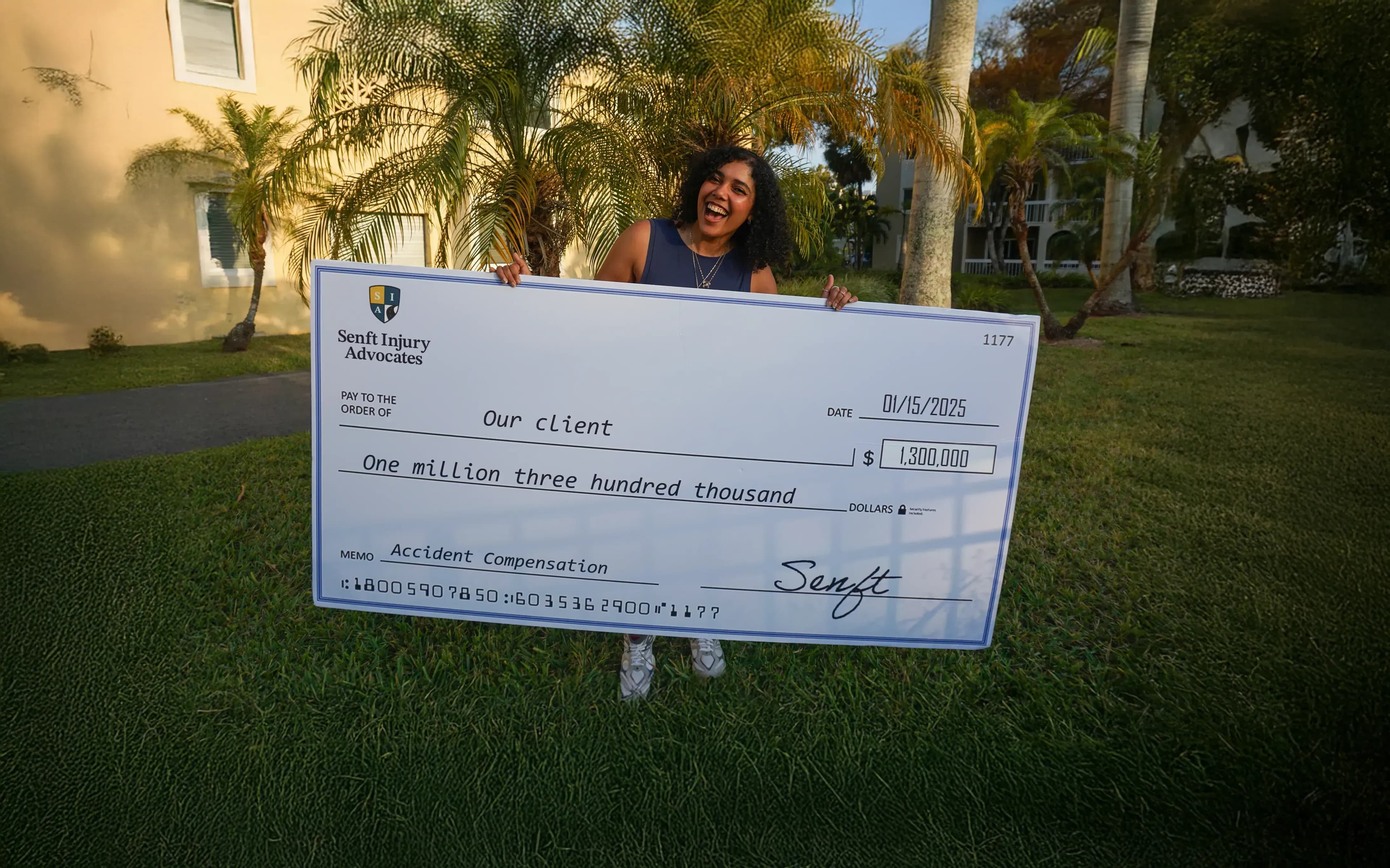
Results may vary depending on your particular facts and legal circumstances.
A denial or low payment can leave you unsure what to do next. Speak with Senft Legal about your policy, your damage, and your options.