Available 24 hours / 7 Days a Week
Email: info@senftlegal.com
We'll review your rideshare or delivery app accident case at no cost to you, including answering questions about which insurance policies apply, your rights as a passenger or injured third party, and the best course of action moving forward.
We’ll review your case at no cost to you, including answering any questions regarding your insurance policy. You’ll understand your rights, possible outcomes, and the best course of action moving forward.

We'll gather all necessary evidence, including medical records, witness statements, police reports, app data, trip records, and the driver's insurance and employment status, to build a strong claim. We'll then file against the appropriate insurance policies, whether that's the rideshare company's coverage, the driver's personal policy, or a third party's insurance.

Uber, Lyft, and DoorDash carry commercial insurance policies of up to $1 million during active trips and deliveries. We know how to navigate the multiple insurance layers and coverage gaps that make rideshare claims more complex than standard car accidents. If a fair settlement isn't reached, we will take your case to trial.

We'll work tirelessly to help you pursue compensation for medical bills, lost wages, and pain and suffering, so you can focus on your recovery.

Yes. If you were a passenger during an active Uber or Lyft ride, you are covered by the company's commercial insurance policy. Both Uber and Lyft maintain at least $1 million in combined single limit liability coverage during active trips (Period 3), which includes bodily injury and property damage. This coverage also includes uninsured/underinsured motorist protection and personal injury protection (PIP) benefits under Oregon law (ORS 742.520). This can cover medical bills, ongoing rehabilitation, lost wages, property damage, and pain and suffering. Consulting with an Oregon rideshare accident lawyer can help you identify all available coverage and maximize your compensation.
If a DoorDash driver caused an accident while actively delivering an order, DoorDash provides third-party liability coverage of up to $1 million for bodily injury and property damage. However, DoorDash's insurance structure differs from Uber and Lyft in important ways. DoorDash coverage is generally excess, meaning it applies only after the driver's own personal insurance pays first. If the driver was logged into the app but hadn't accepted an order yet, DoorDash may provide only limited liability coverage or none at all, depending on the state and the specific policy period. Additionally, many DoorDash drivers carry only standard personal auto insurance, which typically excludes commercial delivery use. This means the driver's personal insurer may deny the claim, creating a coverage dispute. An experienced rideshare accident lawyer can investigate which insurance policies apply and pursue all available coverage on your behalf.
If an Uber or Lyft driver hit your car while they had a passenger or were en route to pick one up (Periods 2 and 3), the company's $1 million commercial liability policy covers your injuries and property damage. If the driver was logged into the app but waiting for a ride request (Period 1), coverage drops to lower limits: $50,000 per person for bodily injury, $100,000 per incident, and $25,000 for property damage. If the driver was completely offline, only their personal auto insurance applies. Under Portland's TNC insurance requirements (Portland City Code 16.40.230), the TNC must provide primary coverage from the first dollar of every claim during all active periods unless the driver's personal policy expressly provides coverage. Determining which period the driver was in at the moment of the crash is critical and often requires obtaining app data and trip records.
These cases are more complex due to multiple overlapping insurance policies and coverage gaps that shift based on the driver's app status at the exact moment of the accident. Key differences include: the driver's personal auto insurance may deny the claim because of a commercial-use exclusion; the rideshare or delivery company's insurance coverage varies dramatically depending on whether the driver was offline, waiting for a request, en route to a pickup, or actively on a trip/delivery; determining liability requires analyzing app data, trip records, GPS logs, and the driver's employment classification (employee vs. independent contractor); and multiple parties may share liability, including the driver, the platform company, and potentially other drivers involved. Oregon law (ORS 742.520) specifically addresses TNC insurance requirements and allows personal auto insurers to exclude coverage during rideshare activity, which can leave gaps that only an experienced attorney can navigate.
Not exactly. While all three platforms provide up to $1 million in third-party liability coverage during active service, the structures differ. Uber and Lyft provide tiered coverage across three periods (app off, waiting for a request, and active trip), with coverage increasing at each stage. They also provide contingent collision and comprehensive coverage during Periods 2 and 3 if the driver carries those coverages on their personal policy. DoorDash provides $1 million in liability coverage only during active deliveries (from order acceptance through drop-off). When a Dasher is logged in but hasn't accepted an order, DoorDash may provide only limited coverage. DoorDash's coverage is also generally excess, meaning it pays after the driver's personal insurance. Additionally, DoorDash provides automatic occupational accident coverage for injured Dashers (up to $1 million in medical expenses, no enrollment required), but this covers the driver's own injuries, not third-party claims. The key takeaway: coverage gaps are more common in DoorDash accidents than in Uber or Lyft passenger ride accidents.
If the driver was not logged into any rideshare or delivery app at the time of the accident, the platform provides no insurance coverage. The claim would be handled like a standard car accident, pursued through the driver's personal auto insurance. Under Oregon law, personal auto insurers may exclude coverage during TNC or delivery activity, but if the driver was truly offline, their personal policy should apply normally. If the at-fault driver is uninsured or underinsured, your own uninsured/underinsured motorist (UM/UIM) coverage may provide an additional source of recovery.
Under ORS 12.110, Oregon gives you two years from the date of the accident to file a personal injury lawsuit. This deadline applies regardless of whether your accident involved Uber, Lyft, DoorDash, or any other platform. However, acting quickly is important because app data, trip records, GPS logs, and dash cam footage may be overwritten or deleted if not preserved early. An evidence-preservation letter sent promptly to the rideshare or delivery company can help ensure critical records are retained.
Our rideshare accident lawyers work on a contingency fee basis, meaning you pay nothing upfront and owe no fees unless we win your case. Our fee is a percentage of the settlement or verdict awarded, typically ranging from 33% to 40% depending on the complexity of the case. There are no hourly charges, retainers, or hidden costs.
Yes. Senft Legal handles accident claims involving all rideshare and delivery platforms, including Uber, Lyft, DoorDash, Uber Eats, Instacart, Grubhub, and others. Whether you were a passenger, another driver, a pedestrian, or a cyclist injured by a rideshare or delivery driver, we can help you navigate the insurance complexities and pursue full compensation.
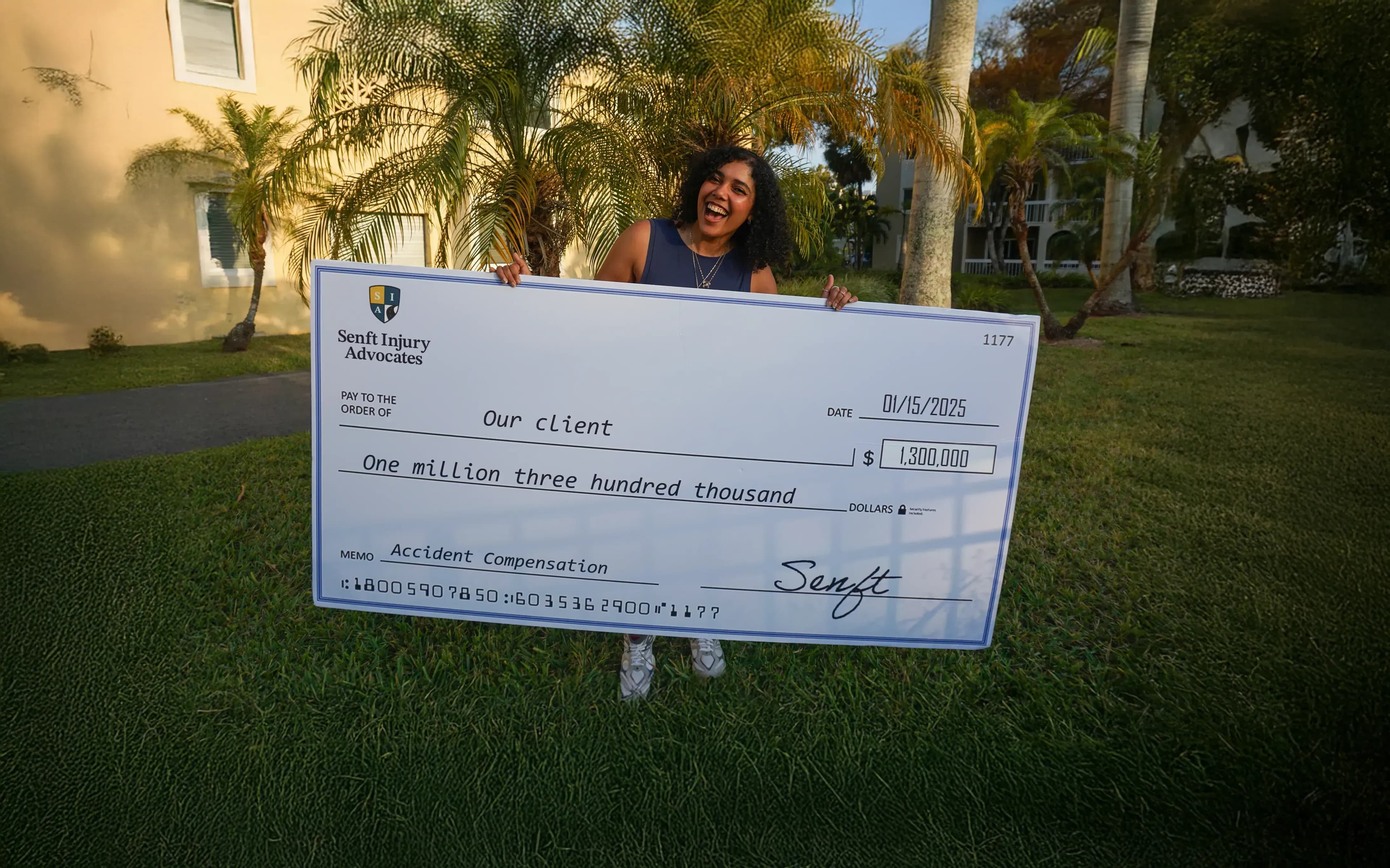
Results may vary depending on your particular facts and legal circumstances.
If You're Injured and Not At-Fault, Your Settlement Is Waiting. Get Compensated For Medical Bills, Time Off Work, & More.