Available 24 hours / 7 Days a Week
Email: info@senftlegal.com
Fill out the form and an attorney will review your case at no cost to you, including answering questions about your insurance policy, who is liable, and the compensation you may be entitled to. You'll speak directly with a Washington car accident lawyer who can explain your rights, possible outcomes, and the best course of action moving forward.
We'll review the details of your accident and explain your legal options at no cost. Whether you were rear-ended on I-5, hit in an intersection, or involved in a multi-vehicle pileup, we'll tell you what your case is worth and which insurance policies cover your injuries.

We'll gather all necessary evidence, including medical records, witness statements, police reports, traffic camera footage, and expert testimonies, to build a strong claim. We'll file against the at-fault party's insurance and identify every available source of coverage, including PIP, UM/UIM, and liability policies.

Insurance companies try to minimize payouts. We don't let them. We negotiate aggressively and know when to push back. If a fair settlement isn't reached, we will take your case to trial and fight for every dollar you're owed.

Medical bills, lost wages, pain and suffering. We'll work tirelessly to help you pursue the compensation you deserve, so you can focus on moving forward with your life.

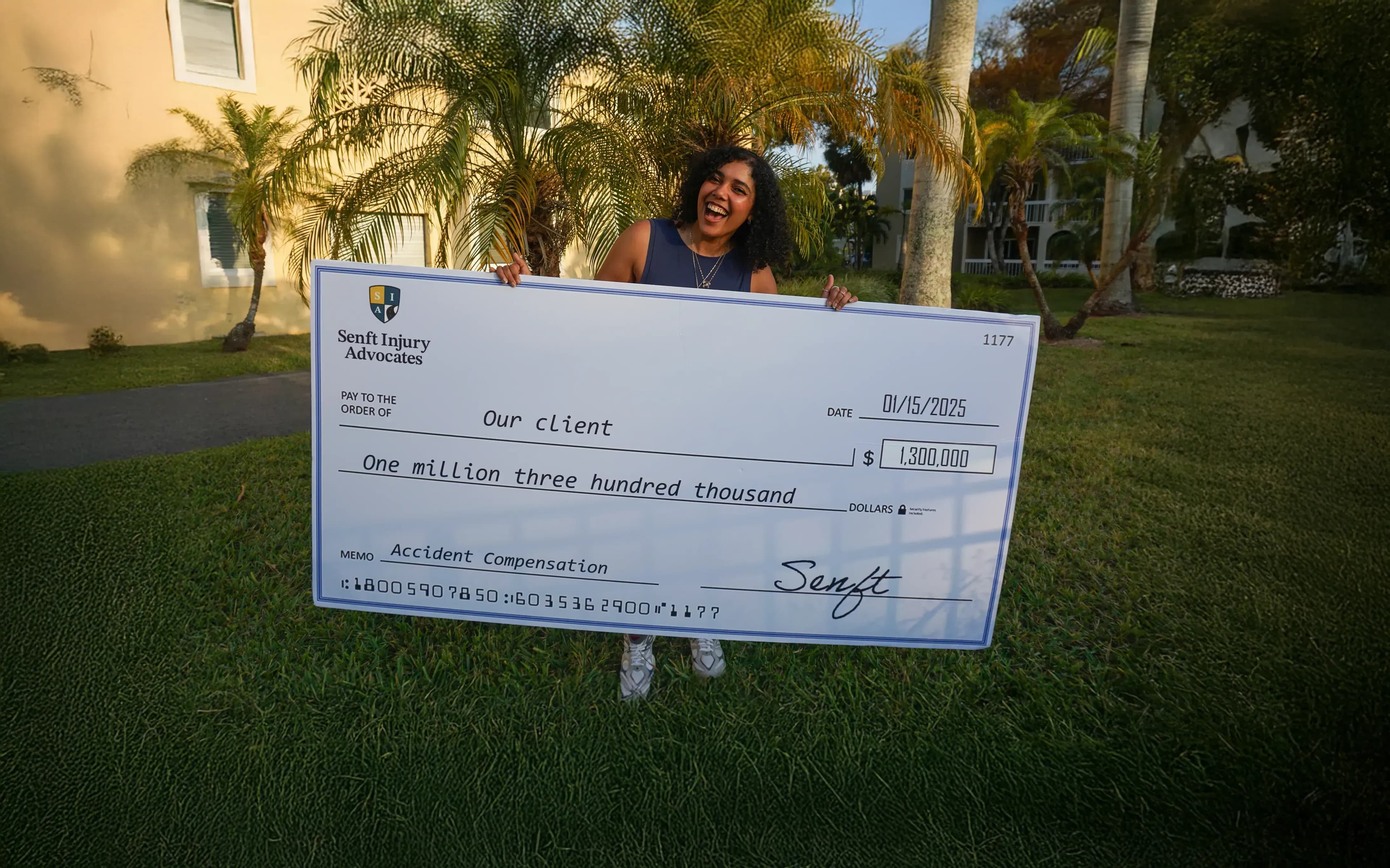
Results may vary depending on your particular facts and legal circumstances.
Contact us anytime to speak directly with a Washington car accident attorney. When you call, a lawyer will always answer the phone.

Washington gives you three years from the date of the accident to file a personal injury lawsuit (RCW 4.16.080). This is longer than many neighboring states (Oregon is only two years), but don't let that create a false sense of security. Evidence deteriorates, witnesses forget details, and insurance companies use delays against you. If a government vehicle or entity was involved (a city bus, a WSDOT vehicle, a poorly maintained road), you must file a tort claim with the government agency before suing, and you cannot file a lawsuit until 60 days after the claim is presented (RCW 4.96.020). The statute of limitations is tolled during that 60-day waiting period, but acting quickly ensures no deadlines are missed.
Yes, and Washington's law is more favorable to injured people than most states. Washington follows a pure comparative negligence system (RCW 4.22.005), which means you can recover compensation even if you were 99% at fault. Your award is simply reduced by your percentage of fault. For example, if your damages are $100,000 and you were 30% at fault, you'd receive $70,000. There is no 50% or 51% bar like in Oregon and many other states. However, insurance companies aggressively try to inflate your fault percentage because every point they add reduces their payout. Having an experienced attorney counter these arguments can be worth tens of thousands of dollars.
Multiple policies may apply. Washington requires all drivers to carry minimum liability insurance of $25,000 per person / $50,000 per accident for bodily injury and $10,000 for property damage (RCW 46.29.090). Beyond the at-fault driver's liability policy, you may also have access to Personal Injury Protection (PIP), which pays regardless of fault. PIP is optional in Washington, but insurers must offer it with every policy (RCW 48.22.085). If you never rejected PIP in writing, you likely have it. PIP covers up to $10,000 in medical expenses (up to 3 years after the accident), $10,000 in lost wages ($200/week), $5,000 in essential services, and $2,000 in funeral costs. If the at-fault driver was uninsured or underinsured, your own UM/UIM coverage may provide additional recovery.
Get medical attention immediately. Neck pain after a rear-end collision often indicates whiplash, herniated discs, or soft tissue injuries that can worsen significantly over time if untreated. The at-fault driver in a rear-end collision is almost always the driver who hit you from behind, making liability straightforward in most cases. Document everything: photos of vehicle damage, the scene, and your injuries. Get the other driver's information and file a police report. See a doctor even if the pain seems minor, as delayed symptoms are common with whiplash. Then contact a car accident lawyer. Insurance companies often try to downplay rear-end injuries as "soft tissue only" to minimize your payout, even when the injuries are serious and long-lasting. We know how to counter that.
You may be eligible for compensation covering medical expenses (past and future), lost wages and lost earning capacity, property damage, pain and suffering, emotional distress, loss of enjoyment of life, and any other damages resulting from the accident. Washington has no cap on noneconomic damages like pain and suffering. The Washington Supreme Court struck down damage caps as unconstitutional in Sofie v. Fibreboard Corp. (1989), holding that juries have the right to determine the full value of a victim's losses. This means there is no statutory ceiling on what you can recover. The actual value depends on injury severity, recovery timeline, liability evidence, and available insurance coverage.
Washington requires liability insurance, but not every driver complies. If the at-fault driver is uninsured, you can file a claim under your own uninsured motorist (UM) coverage if you have it. Washington insurers must offer UM coverage, but policyholders can waive it in writing (RCW 48.22.030). If the at-fault driver has insurance but not enough to cover your damages, your underinsured motorist (UIM) coverage can fill the gap. PIP, if you have it, also pays regardless of the other driver's insurance status. An experienced attorney can identify every available policy and stack coverage to maximize your recovery.
Report the accident to your insurance company as soon as possible. If the accident caused injury, death, or more than $1,000 in vehicle damage, it must also be reported to the Washington State Patrol within 4 days if no police officer filed a report at the scene. For a liability claim against the at-fault driver, you'll file with their insurance company. For PIP or UM/UIM claims, you'll file with your own insurer. Don't give a recorded statement to the other driver's insurance without speaking to an attorney first. Adjusters are trained to get you to say things that reduce your claim's value.
Our car accident lawyers work on a contingency fee basis, meaning you pay nothing upfront and owe no fees unless we win your case. Our fee is a percentage of the settlement or verdict awarded, typically ranging from 33% to 40% depending on the complexity of the case. There are no hourly charges, retainers, or hidden costs.
Senft Legal helps injured drivers, passengers, pedestrians, and families throughout Washington state, including Seattle, Tacoma, Spokane, Everett, Bellevue, and communities across the state. Whether your accident happened on I-5, I-90, I-405, or a local road, our team can review your claim and help you pursue maximum compensation.