
Available 24 hours / 7 Days a Week
Email: info@senftlegal.com
Rideshare and delivery crashes can involve three or more insurance policies, and every insurer wants another to pay. Fill out the form or call attorney Alex Senft for a free case review. Calls answered 24/7. No win, no fees or costs.
You didn't cause the crash? Then you shouldn't have to pay for it. Once an Uber or Lyft driver accepts a ride, Florida requires at least $1 million in coverage. We make sure every policy that may apply is on the table.
Tell us what happened. We'll figure out which insurance policies may apply and explain your options at no cost.

In Florida, you have 14 days after a crash to see a doctor, or your insurance may not cover your care. We can help you find a provider in Miami-Dade, Broward, or Palm Beach.

A strong case benefits from trip records, app status data, crash reports, and witness statements. We'll help you round them up before they disappear.

We deal with the rideshare insurer and any other insurers involved. If you're not receiving a fair offer, we're prepared to take your case to trial.

Delivery crashes work differently. Florida's rideshare insurance law doesn't cover food delivery, so the driver's own insurance usually pays first. DoorDash says it maintains up to $1 million in coverage during active deliveries, which may apply on top of the driver's policy. We find out whether the order was active and pursue every policy that may apply.

In most cases, yes. Once your driver accepts the ride, Florida requires the rideshare policy to carry at least $1 million in liability coverage, plus PIP and uninsured motorist coverage. If another driver caused the crash, their insurance may also apply. If you own a car, your own PIP policy usually pays your first medical bills under Florida's no-fault rules.
With the app off, only the driver's personal policy applies, and many personal policies exclude rideshare driving. Once the driver logs in and is waiting for a request, Florida requires at least $50,000 per person, $100,000 per crash, and $25,000 in property damage. The $1 million coverage starts when a ride is accepted.
Coverage depends on what the driver's app was doing at the moment of the crash. During an active ride, Florida requires at least $1 million in liability coverage plus PIP and uninsured motorist coverage. If the driver was logged in and waiting for a request, the minimum drops to $50,000 per person, $100,000 per crash, and $25,000 in property damage. With the app off, only the driver's personal policy applies, and many personal policies exclude rideshare driving (Fla. Stat. § 627.748). With that many insurers involved, each one has a reason to point at another.
It depends on who caused the crash and what the driver's app was doing. Your own PIP usually pays first: 80% of medical bills and 60% of lost wages, up to $10,000. Once a driver accepts a ride, the rideshare policy carries at least $1 million for injuries the driver causes. Pain and suffering is only available in Florida if your injury meets the permanent injury threshold. We'll help you review your options in depth.
Most rideshare injury claims go through the rideshare insurance policy rather than a lawsuit against the company itself. Uber and Lyft drivers are generally treated as independent contractors, so whether the company can be held responsible depends on the specific facts. We'll review your case and pursue every policy that may apply.
Food delivery services generally do not fall under Florida's rideshare insurance law, but other coverage may apply. DoorDash maintains coverage for active deliveries. Depending on the delivery status and the driver's personal policy, this coverage may or may not apply on top of the driver's own insurance. We can help you determine which policies can affect your unique case.
Yes. Florida's no-fault insurance only pays medical benefits if you get first treatment within 14 days of the crash. Miss that window and you can lose that coverage. We can help you find a provider near you.
The length of the claim process for a rideshare accident can vary significantly depending on several factors. The complexity of the accident, the severity of injuries sustained, and the willingness of the parties involved to cooperate all play crucial roles in determining the timeline. Claims involving multiple parties can lead to longer resolution time. Rideshare companies, their insurance providers, and other drivers or pedestrians can add layers of complexity.
We work on a contingency fee basis. You pay no fees or costs unless we win. If we recover money for you, our fee is a percentage of the recovery, typically 33% to 40%.
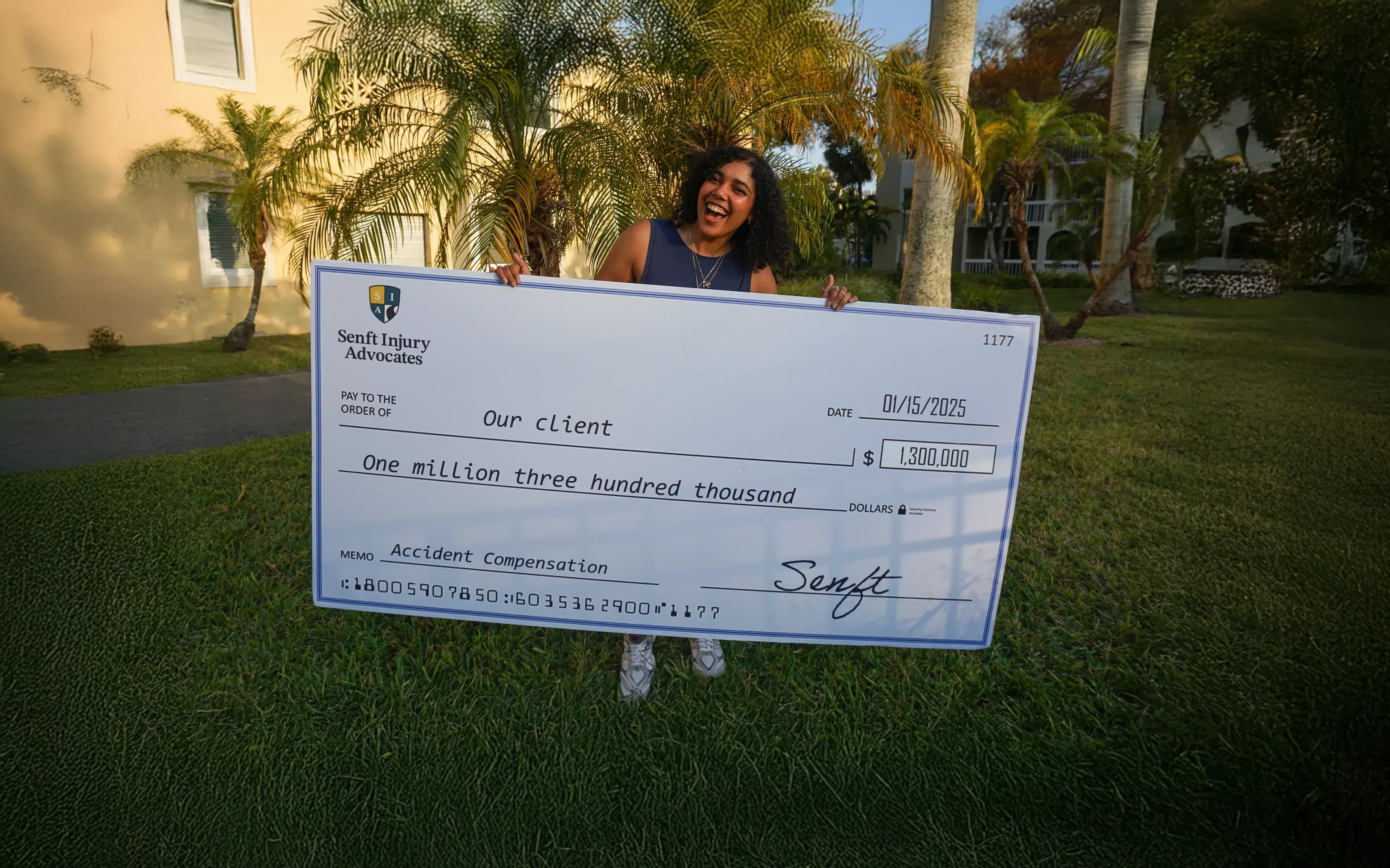
Results may vary depending on your particular facts and legal circumstances.
Whether the driver had accepted a ride, was waiting for one, or had the app off plays a role in who pays. That proof lives in trip data that won't stick around. Call before it's gone.


